-
 1950
1950The Origin
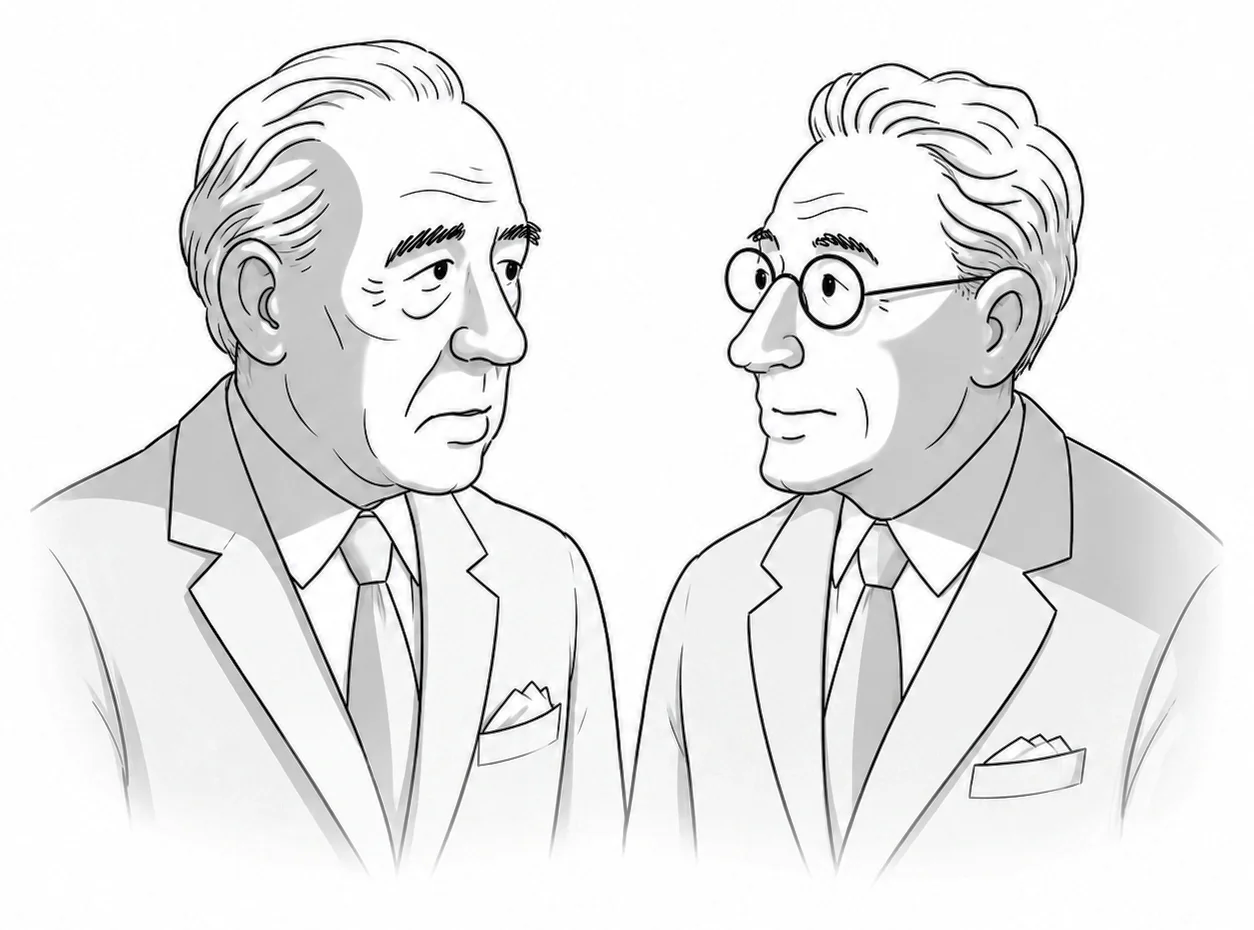
In the aftermath of World War II, Nordic physicists began discussing the need for a shared institute to strengthen cooperation in theoretical physics. Figures such as Niels Bohr and Torsten Gustafson were central in shaping the vision, while Swedish Prime Minister Tage Erlander offered strong political support. These early efforts laid the groundwork for Nordita.
-
 1957
1957The Foundation
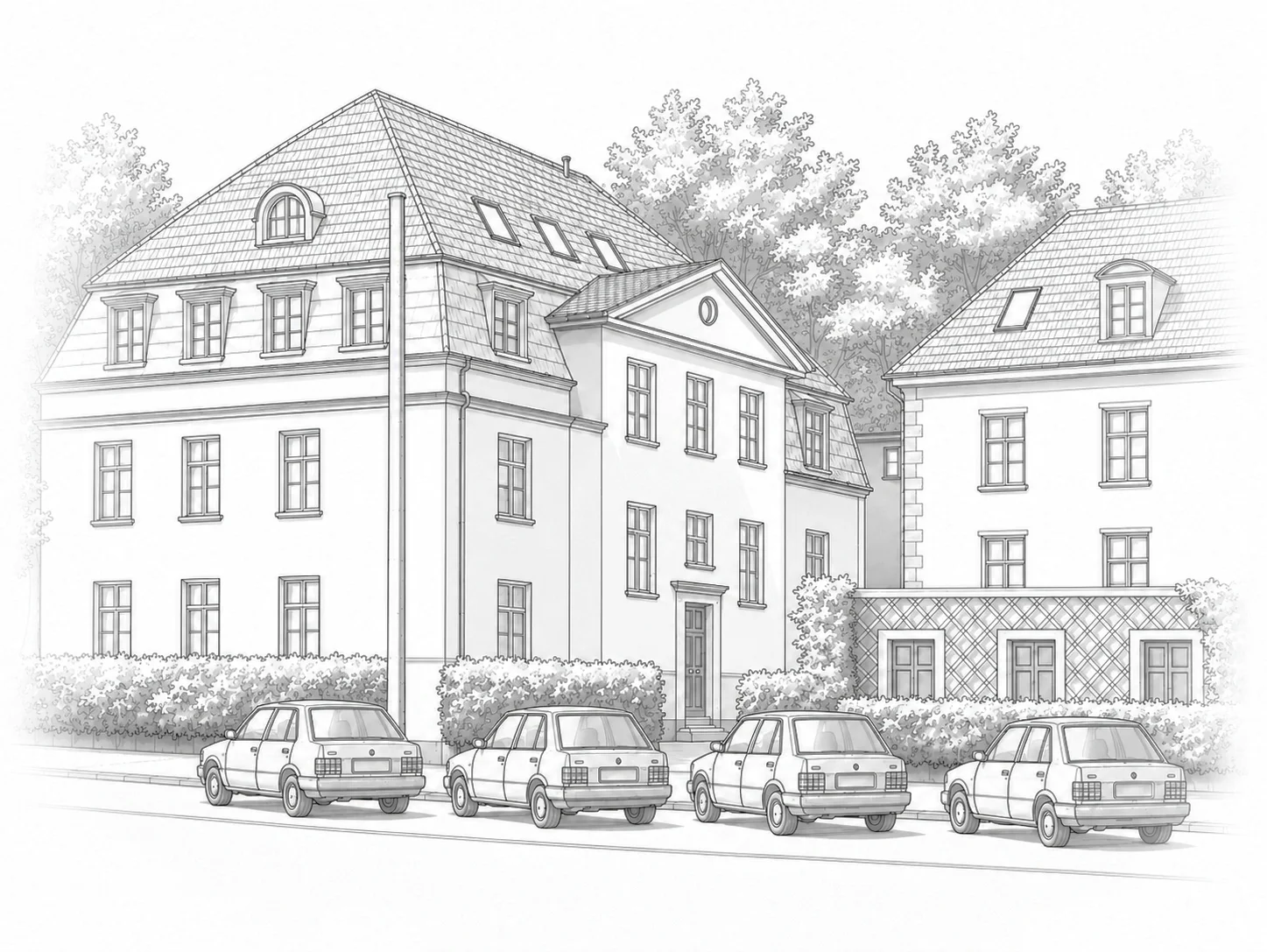
On 1 October 1957, the Nordic Institute for Theoretical Atomic Physics, later known simply as Nordita, was founded at the Niels Bohr Institute in Copenhagen. The first director was Christian Møller, and early faculty included Ben Roy Mottelson, Gunnar Källén, and Leon Rosenfeld. This marked the beginning of a permanent center for Nordic collaboration in physics.
-
1960-80
The Expansion
Over the following decades, Nordita’s research focus expanded beyond nuclear and particle physics into areas such as condensed matter physics, astrophysics, and cosmology. Hundreds of young Nordic researchers trained at the institute, many of whom went on to permanent academic positions. This period also saw significant contributions to theoretical physics, including the development of the Lund String Model, advances in self-organized criticality, and Nobel Prize–winning work by Ben Mottelson in 1975.
-
1990-2000
The Transition
By the 1990s, discussions intensified about relocating Nordita to Sweden, where it could integrate more closely with other leading universities and research centers. This period of transition laid the foundation for the institute’s eventual move from Copenhagen to Stockholm.
-
 2007
2007Move to Stockholm
On 1 January 2007, Nordita officially relocated to Stockholm, moving into the AlbaNova University Centre. The institute became jointly hosted by KTH Royal Institute of Technology and Stockholm University, with funding shared among the Nordic Council of Ministers, the Swedish Research Council, KTH, Stockholm University, and Uppsala University. This move gave Nordita a new institutional base while preserving its Nordic identity.
-
 2021
2021New Building
In March 2021, Nordita moved into a purpose-built facility at the Albano Campus. This new, sustainable campus connects Stockholm University and KTH, offering modern infrastructure for both students and researchers. The move marked another step in Nordita’s long evolution, giving it a dedicated space for future growth.
Today and Tomorrow
A Living Nordic Collaboration
Today, Nordita continues to bring together researchers from across the Nordic region and beyond. Rooted in a long tradition of collaboration in theoretical physics, the institute remains a place for fundamental research, scientific exchange, and the training of future generations of scientists.
Funding and Support
Nordita is funded through support from the Swedish Research Council and its three host universities: KTH Royal Institute of Technology, Stockholm University, and Uppsala University. Together, these institutions provide the foundation for Nordita’s research environment and its mission to advance theoretical physics through Nordic and international collaboration.