Nordita Enters a New Phase
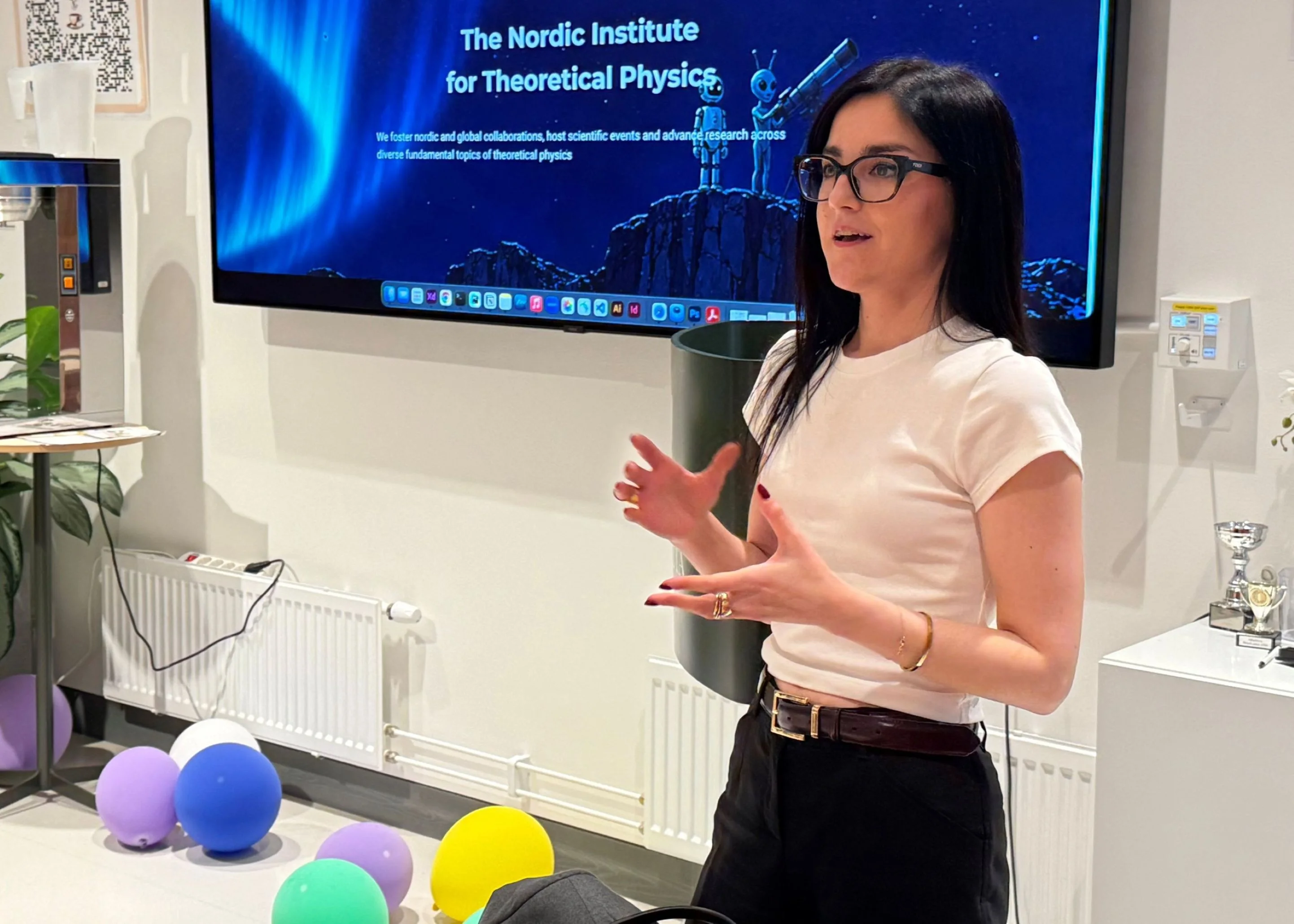
For nearly seventy years, researchers have come to Nordita from all over the world to exchange ideas, build collaborations, and take part in scientific programs and workshops. For many younger researchers, Nordita has also been an important step in an international scientific career.
Now, the institute is entering a new phase.
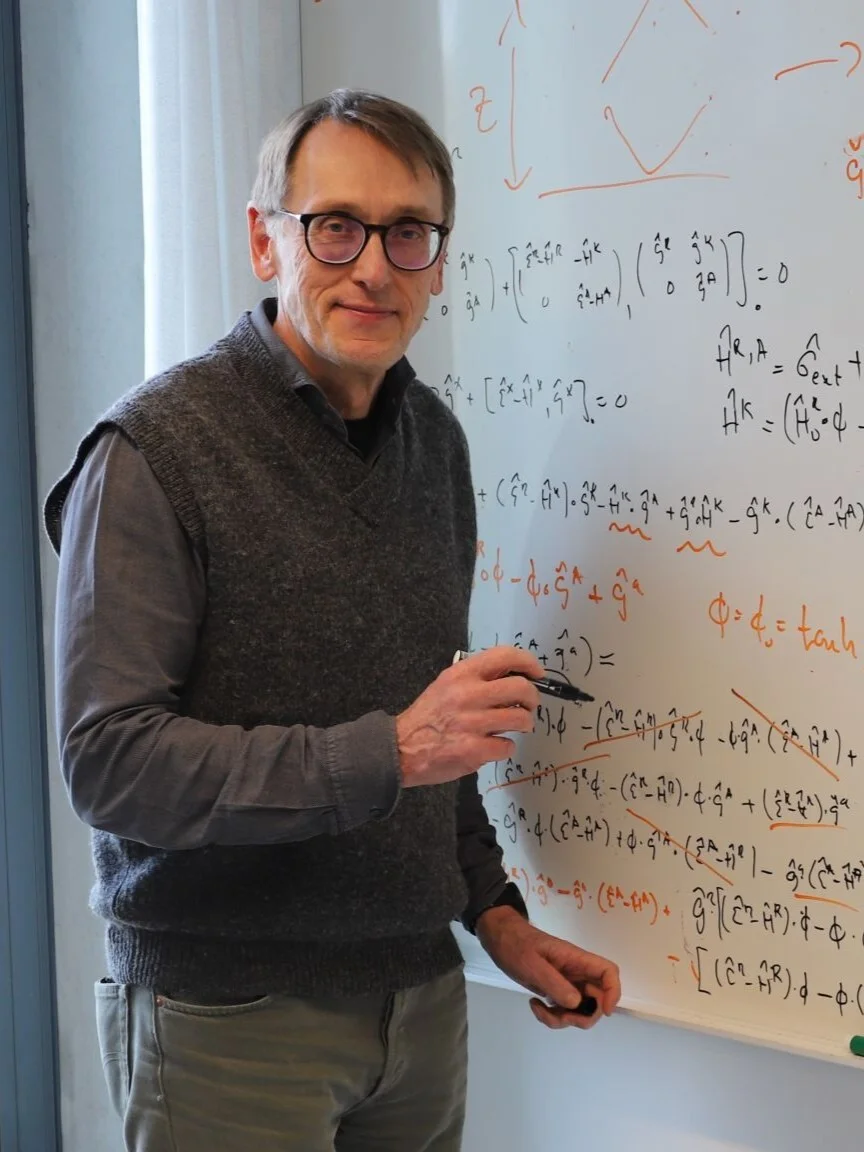
“The conditions have changed,” says Director Mikael Fogelström. “Research funding has increasingly become tied to strategic priorities, while older and freer forms like the earlier Nordic funding have disappeared. That means institutes like Nordita need to rethink how they operate and what role they can play.”
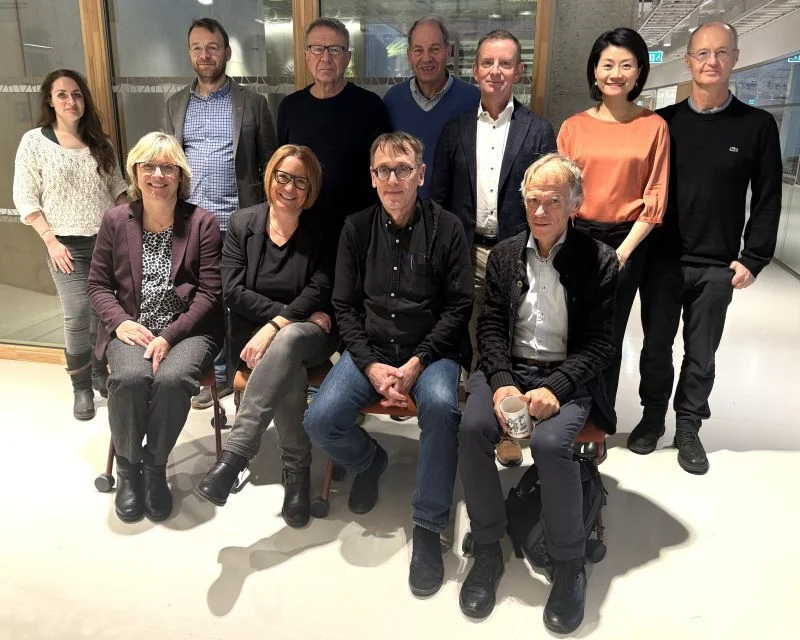
This week marks another step in what Fogelström describes as “Nordita 3.0”. While the most visible change this week is the launch of a new website, it is only one part of a broader transformation process that has been ongoing since Fogelström became director two and a half years ago. This week also marks one of the first in-person meetings with Nordita’s newly restructured board. During this time, Nordita has introduced a number of changes, including a new fellowship structure, a new strategy for senior recruitments, and a smaller board with a more active role.
According to Fogelström, Nordita has already gone through several historical phases. He describes the institute’s early years in Copenhagen as “Nordita 1.0,” strongly rooted in Nordic collaboration and connected to the legacy of Niels Bohr. After the move to Stockholm, “Nordita 2.0” became more closely tied to the host universities and NordForsk funding structures.
“Under these changing funding structures, how can we continue to create environments where excellent science, new ideas, and long-term collaborations can emerge? That is really the central question.”
This broader transition is now also beginning to shape new recruitments and research initiatives at Nordita. Recent developments include the recruitment of Mason Porter from UCLA, strengthening research areas connected to quantum science, complex systems, and networks. The recruitment was made possible through a Wallenberg Initiative aimed at attracting leading international researchers to Sweden.
“It is important that we continue to attract outstanding researchers who can build strong research groups,” says Fogelström. “But Nordita should also function as a connecting force: between universities, between researchers, and between different scientific initiatives.” Supporting younger researchers is another central ambition. “For many people who come to Nordita, this is one step on the way in their career,” says Fogelström. “We are not a landing module with permanent positions. We are more like a booster rocket” He describes Nordita as a place that helps researchers gain momentum and move on to the next stage of their careers, most likely elsewhere. “Although many people would happily stay much longer,” he adds.
Programs, workshops, and conferences remain at the heart of the institute’s identity. According to Fogelström, many collaborations and recruitments can be traced back to conversations that began during a workshop, conference, or poster session at Nordita.
“People come here and meet each other,” he says. “Those networks are incredibly important.”
At the same time, Nordita is seeking to strengthen its role as a Nordic hub for theoretical physics and related fields. Current initiatives include the Nordic Quantum initiative, work toward a national graduate school in quantum technology and increased coordination of advanced courses.
“Despite the ongoing changes, it is important for the board to preserve Nordita’s relevance and importance to the Nordic scientific community,” says Susanne Viefers, chair of the board. “In addition to being a meeting place and hub for excellent research, the institute is also playing a growing role in graduate education through the Nordic curriculum.”
“The Nordic countries are individually quite small,” says Fogelström. “We benefit enormously from building strong connections and functioning as a shared scientific ecosystem.”