Finding Inspiration at the Quantum Connections Summer School
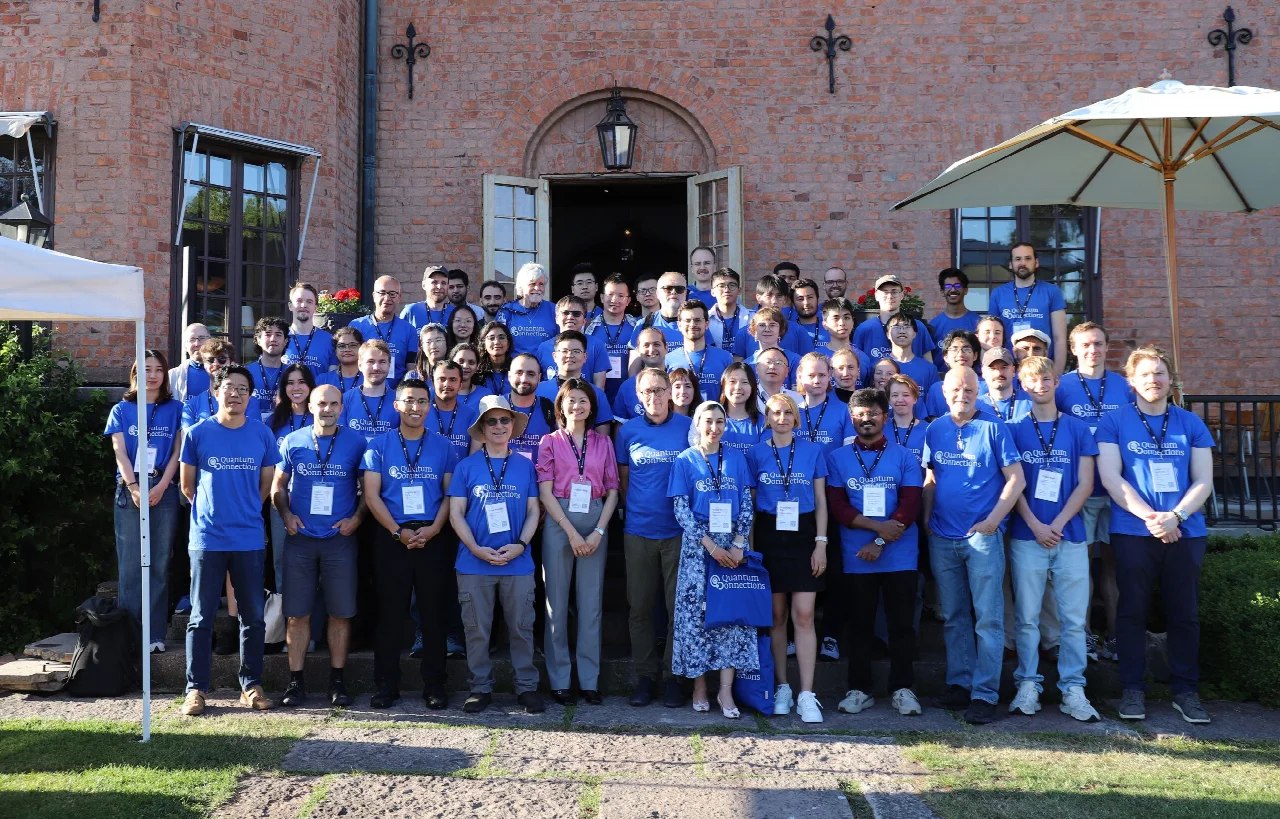
Students and postdoctoral researchers from around the world gathered at Högberga Gård outside Stockholm earlier this month for this year’s edition of the Quantum Connections Summer School, a two-week program exploring topics ranging from quantum matter and quantum information to particle physics and the fundamental structure of matter.
Organized by Nordita, the school is an initiative of Nobel laureate Frank Wilczek and included lectures by leading researchers within quantum science. However, next to the high quality of the lectures, many participants described something else as equally important: the opportunity to meet and exchange ideas across national borders and between disciplines.
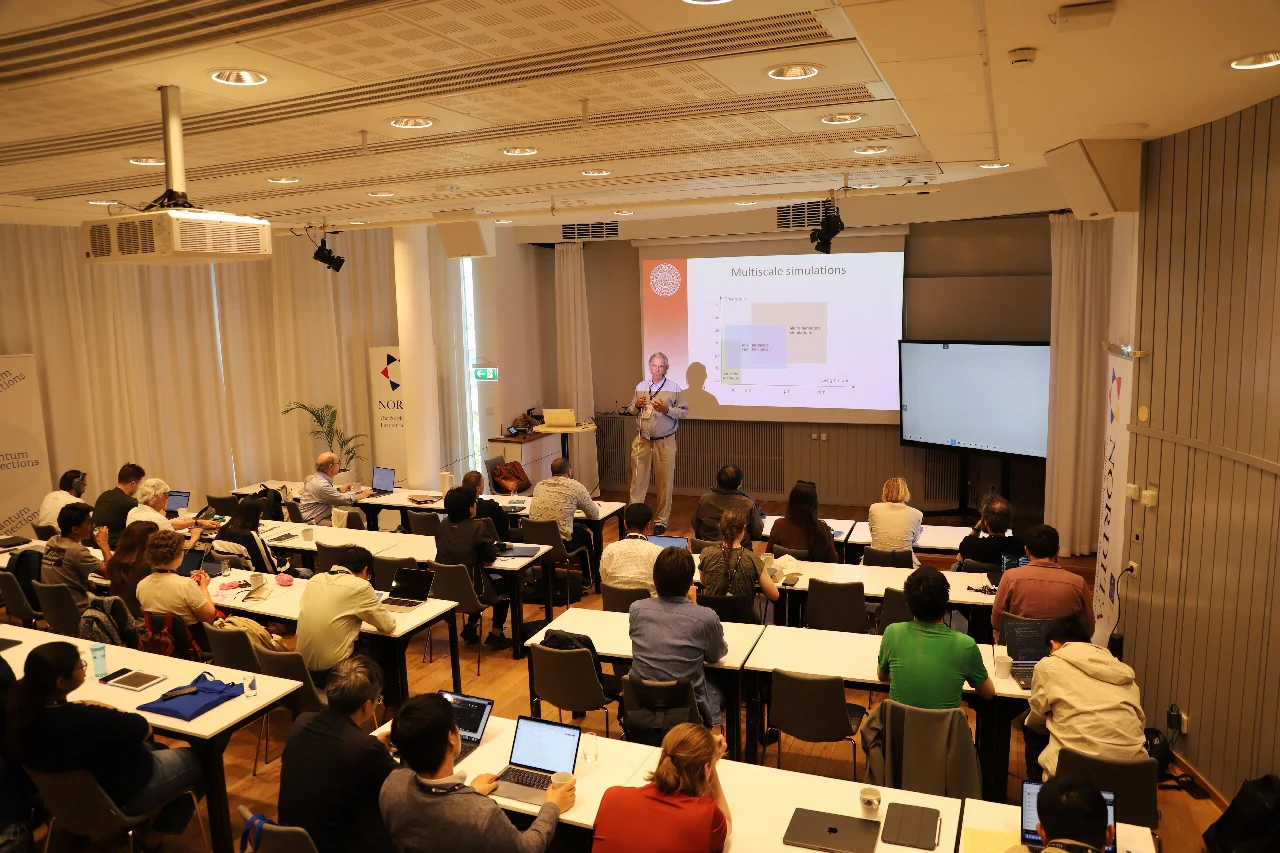
One of the invited lecturers was Olle Eriksson, professor of theoretical magnetism at Uppsala University, vice director of WISE and member of the Nobel Committee for Physics. Eriksson spent two days at the school, giving lectures and interacting with participants.
For him, those interactions are among the most valuable aspects of scientific research. Despite his many leadership roles, Eriksson says that interacting with students and fellow researchers remains one of the most important parts of his work.
"We inspire one another, and that is the most important thing," he says. "This is where the exciting scientific conversations happen. People come here and talk about the very best they can do. It doesn't get better than that."
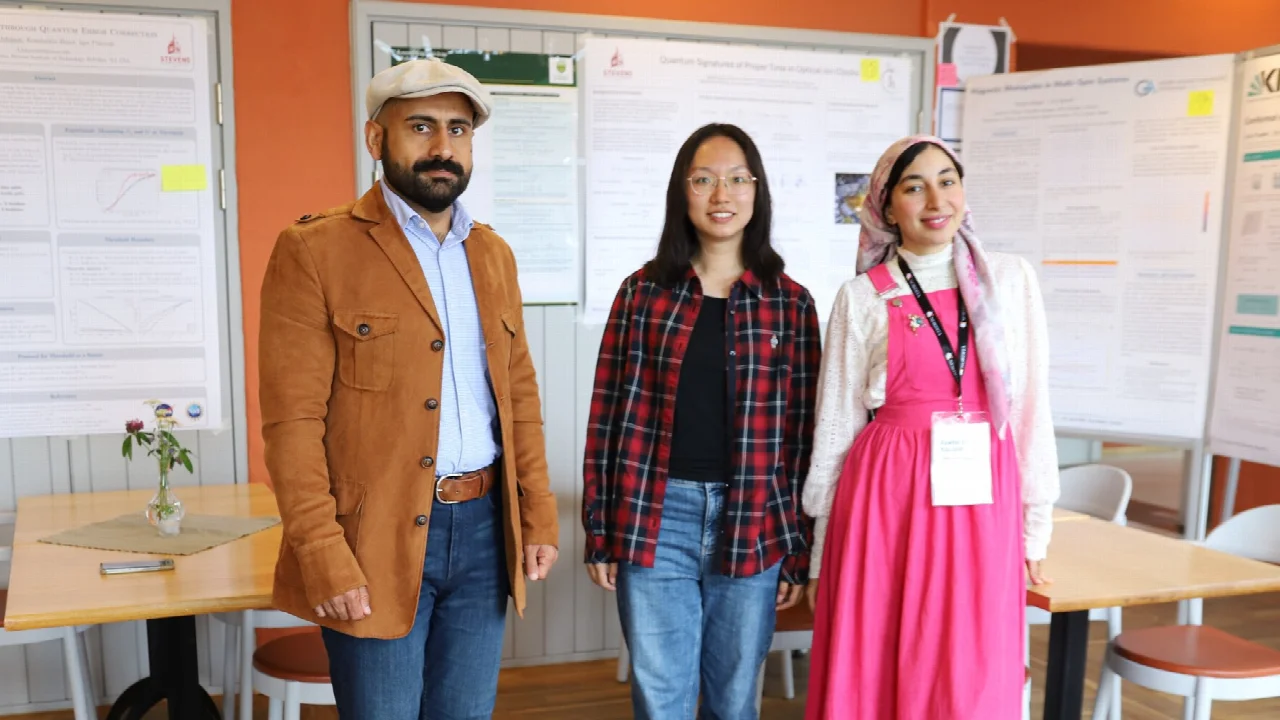
The participants described that exchange in different ways. Kawtar El Bouzaidi, a PhD student at Mohammed V University in Rabat, Morocco, was drawn to the school by the opportunity to explore connections between different areas of quantum science. Her research focuses on quantum information in particle physics, specifically quantum effects in neutrino oscillations.
"Many schools focus on only one subject," she says. "I wanted to see the bigger picture of quantum mechanics and how it can be applied to particle physics."
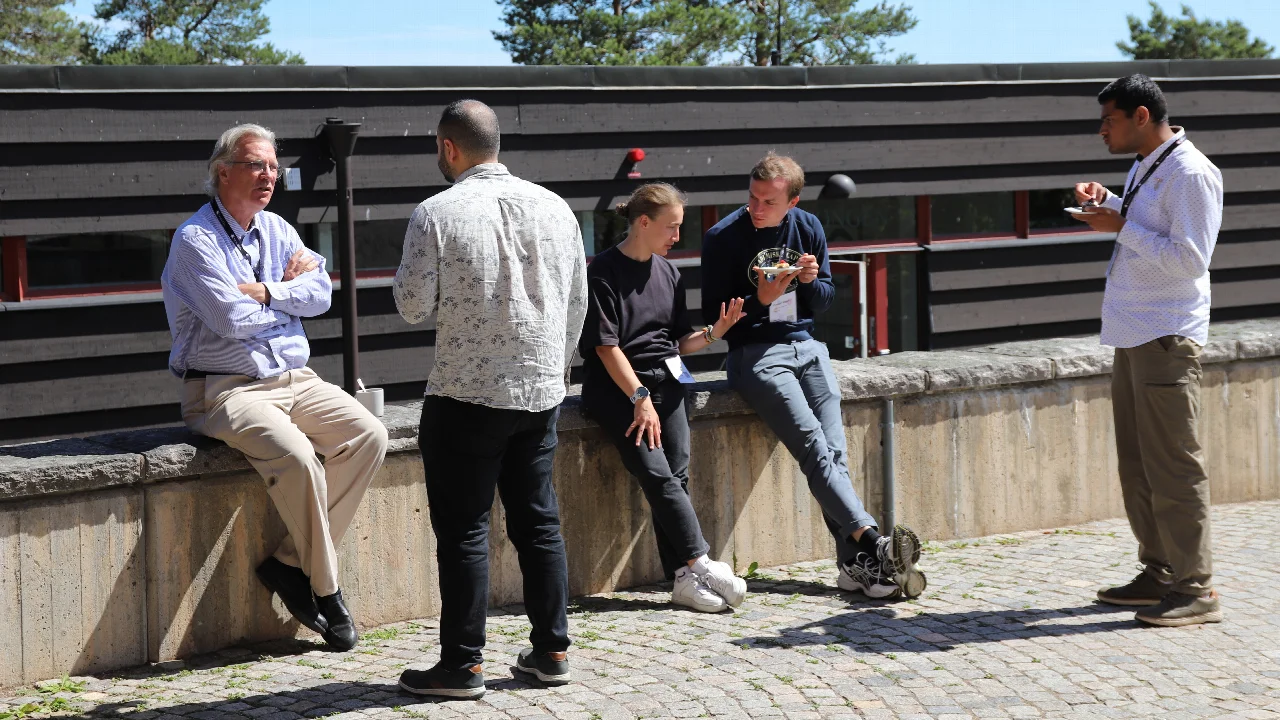
Beyond the lectures, she found the informal discussions particularly valuable.
"The discussions over coffee and dinner have been incredibly valuable," she says. "I've gained new ideas for research and made contacts that I hope to stay in touch with in the future."
Sylvie Liu, an undergraduate student at Duke University working in quantum hardware and quantum optics, was similarly drawn to the opportunity to learn from researchers working in different areas of quantum science.
"I wanted to learn about the latest research and meet people from different fields," she says.
As an undergraduate, she viewed the school as an opportunity to discover new directions for future study rather than master every topic covered in the lectures.
"Without being here, I would never have known about some of these topics," she says. "It's been very valuable to learn about new research areas and meet researchers from all over the world."
Scientific inspiration came from many directions for Afshin Beshara, a postdoctoral researcher at the University of Alberta. Lectures by Magdalena Zych inspired new ideas for his current research and one conversation with Frank Wilczek stood out. Discussing a problem Beshara had been working on since his PhD, Wilczek suggested a different approach, advising him that "if it is getting complicated, we are probably not doing it the right way."
Yet one of his strongest memories from the school came from an evening conversation.
"One evening I was sitting together with students, all of us from countries that are currently in political conflict," he says. "We were discussing science and becoming friends. It felt like an embodiment of how science can bring people together and show us we are all human beings."
Eriksson was struck by how actively the students engaged during lectures, and how they approached the lecturers during coffee breaks and throughout the day.
He also believes the school deserves an even broader audience.
"The lecturers have been excellent," he says. "This school is almost too good to be this small."
Over the course of two weeks, the lectures introduced participants to new scientific ideas, but many of them said that some of the most valuable learning happened outside the lecture hall: the discussions that continued over coffee, shared meals and long evenings in the midsummer-lit garden.