Looking wider to understand the early universe
According to Al Kogut, an astrophysicist at NASA Goddard Space Flight Center, the origin of about half the radio emission observed in areas of the sky away from the plane of the Milky Way remains unknown. It may come from our galaxy or from extragalactic sources, but neither explanation fits with what researchers already know. Kogut is investigating the puzzle by reanalyzing existing data and comparing observations at different wavelengths. “The trick is not to think harder about it, but to go wide —to look at other datasets in order to find clues there” he said.
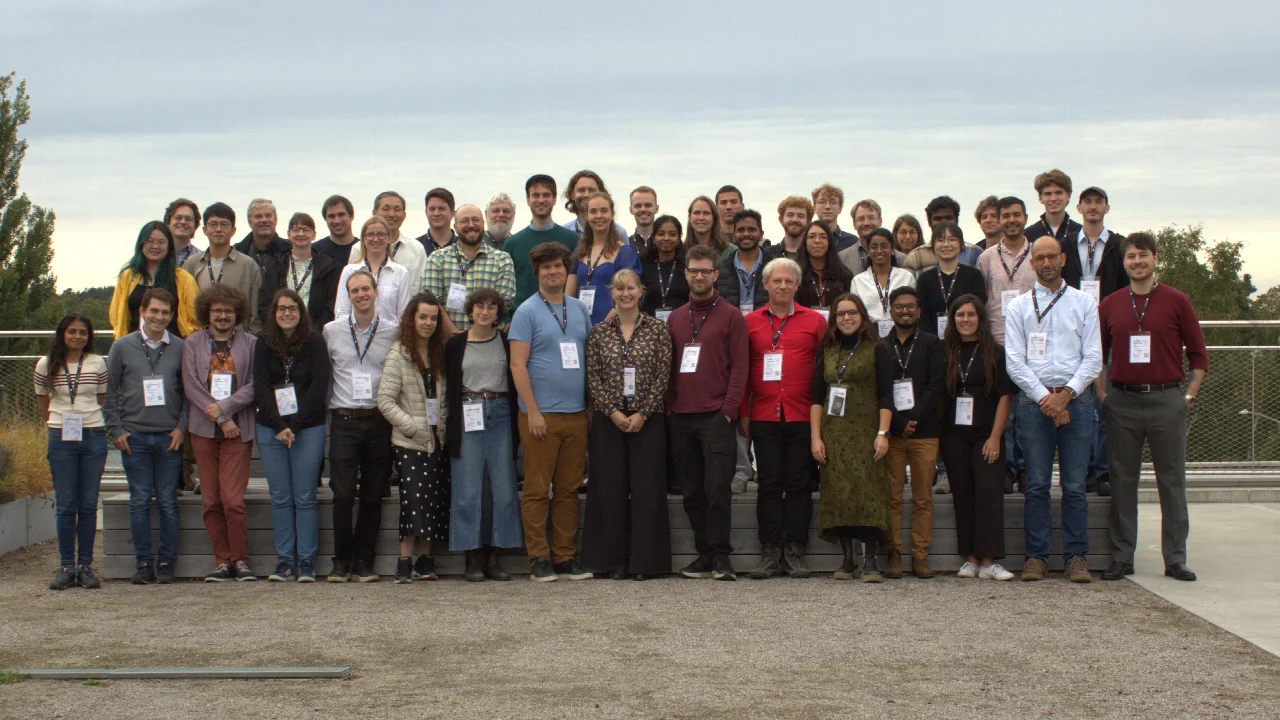
Kogut was one of the researchers who gathered at Nordita from 31 August to 18 September for the Global End-to-End Analysis at All Frequencies program. His puzzle illustrates a general challenge in astrophysics: observations at one wavelength often make more sense when researchers from different fields exchange data with one another.
The program’s name describes its approach. “Global” refers both to researchers and datasets from around the world and to observations across the entire electromagnetic spectrum, from radio waves to X-rays. “End-to-end” means working with the data all the way from the measurements recorded by telescopes and satellites, through maps of the sky, to estimates of quantities that describe the universe.
For organizer Katrine Glasscock from the University of Oslo, bringing the original datasets together is especially valuable. It gives researchers a way to examine uncertainties in different observations at the same time, instead of relying only on the finished models produced by another field.
As cosmological measurements become more precise, that fuller picture of the sky becomes more important. Dust in our galaxy, for example, affects microwave observations used to study the cosmic microwave background. To model the dust accurately, researchers also need infrared observations.
Participant Danielle Sponseller from Chalmers described what is at stake for researchers looking for extremely faint signals from the early universe. Their data also contains signals from dust, synchrotron emission and other sources, which must be understood and separated. “To be able to understand the early universe, we have to understand everything else that we see when we try to make these observations,” she said.
The three weeks at Nordita gave participants several ways to do that work together. The first week focused mostly on microwave observations. The middle week, the Cosmoglobe Conference 2026, brought researchers from different fields together through talks and discussion. A final workshop week focused on infrared observations and global sky modelling.
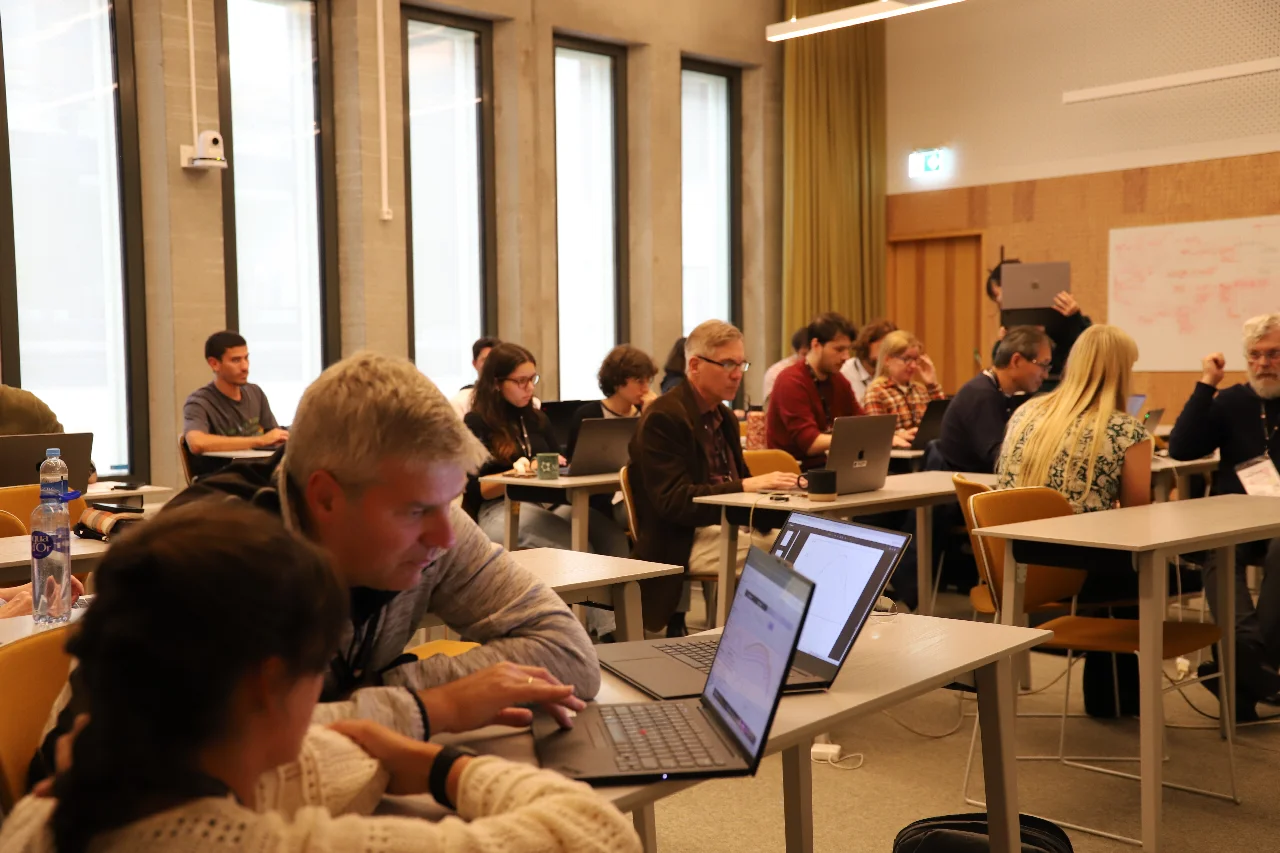
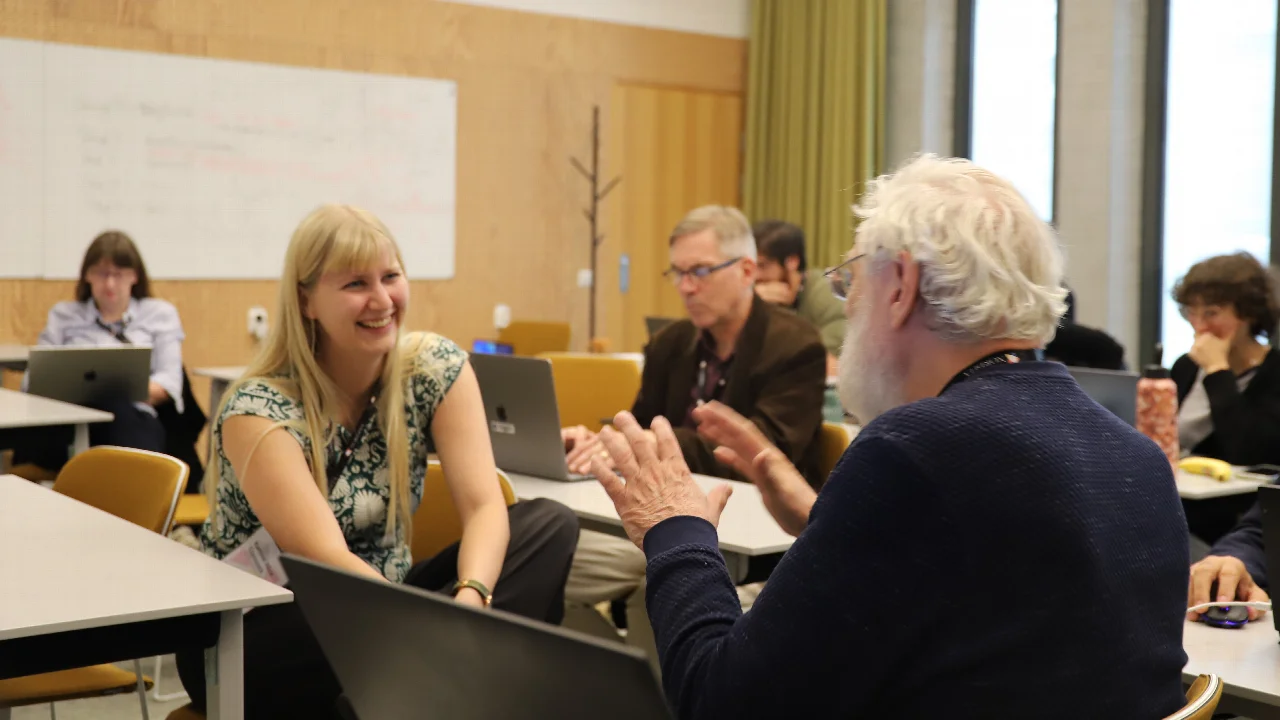
The workshop weeks also allowed time for smaller groups to examine instrument data, compare methods and work on analysis software. Kogut contrasted the relatively unstructured format with a conventional conference built around successive talks and short question sessions. At Nordita, he said, scientists spent much of their time scribbling on whiteboards or huddled over computers, sharing programs or data sets. Both Kogut and Sponseller agreed that international researchers can, in principle, communicate virtually. “But in practice it is very difficult,” comments Kogut. “When you have three people clustered around a whiteboard, all scribbling, the opportunity for the rapid exchange of ideas and information is so much greater.”