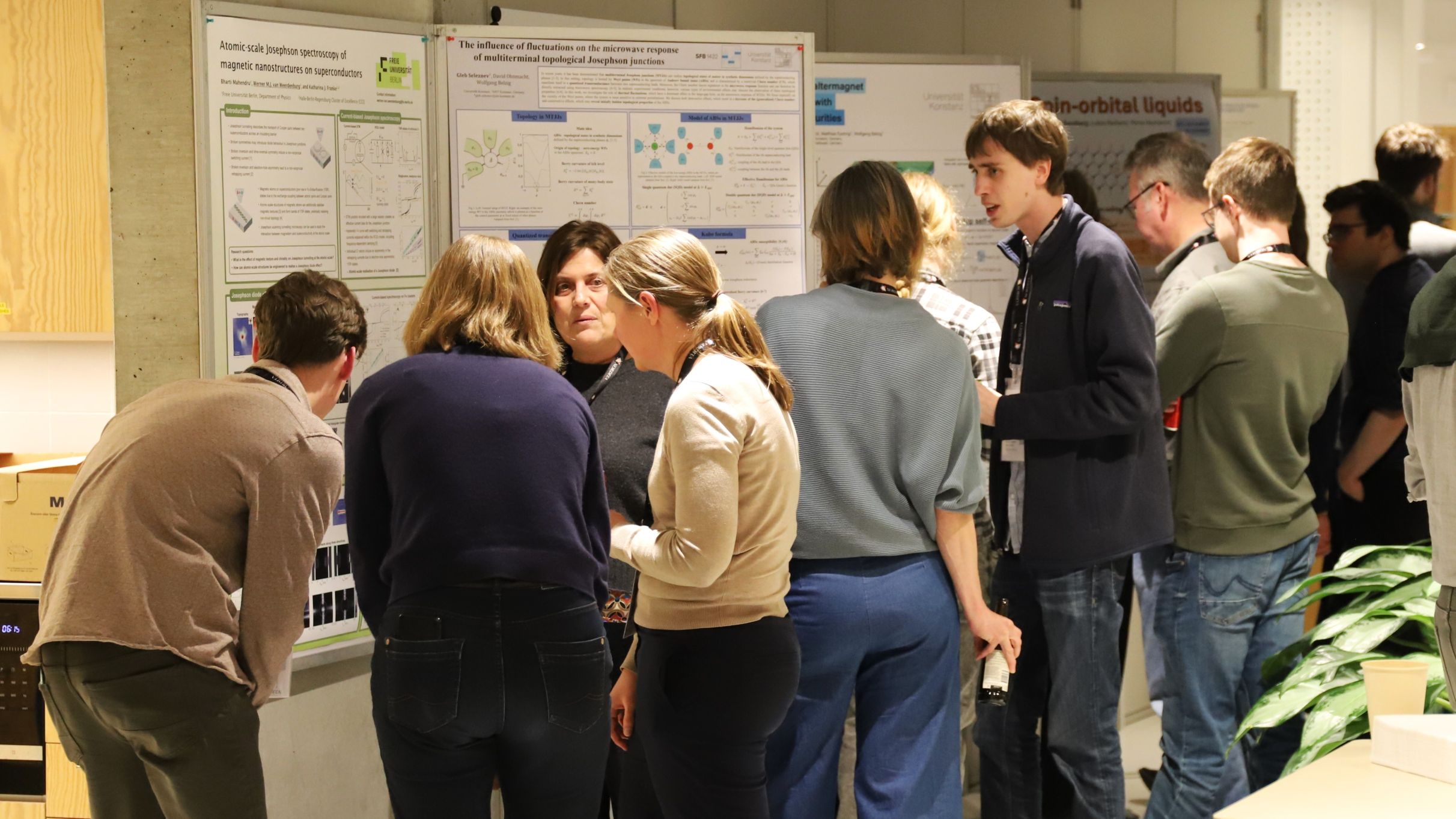
Discussions continuing around the posters during the workshop.
This week, Nordita hosted the Nordic-German Wilhelm and Else Heraeus Seminar on Quantum Condensates and Quantum Geometry (QCQG), bringing together researchers working at the intersection of unconventional superconductivity and quantum geometry in low-dimensional quantum materials.
The workshop focused on an emerging research area, where recent advances are opening new ways to explore quantum condensates in highly tunable systems. While superconductivity has a long tradition in northern and central Europe, and there is strong activity in topology and quantum geometry, the field remains somewhat fragmented. The goal of the seminar was to bring these strands together and create a space for exchange and new connections.
The program combined tutorials with keynote, topical, and contributed talks. There were also two poster sessions, as well as a very well appreciated Niels Bohr Colloquium by Stuart Parkin. This mix created opportunities not only to present new results, but also to engage in discussion between subfields.
“It was really interesting to hear about recent developments in the field,” one participant noted. “The talks have been very engaging, and everything was very well organized.”
A recurring theme throughout the week was the importance of informal interactions. With posters displayed in the lunch area throughout the day, discussions extended beyond the scheduled sessions.
“There has been a really welcoming atmosphere, and the Niels Bohr Colloquium was especially motivating, showing the progress of the science through the decades,” as one participant put it.
For the organizers, the workshop also showed a growing sense of community.
“The workshop has really surpassed our expectations,” says Wolfgang Belzig. “It’s been great to see the community come together, grow over the days, and for people to get to know each other. We’re also seeing a clear merging of the fields of magnetism and superconductivity.”
Nordita director Mikael Fogelström points to both the composition of the participants and the potential for future activities:
“It’s a great crowd. Many people who already know each other, but also many young researchers and participants from nearby institutions. That’s exactly what you want for building a strong community and creating opportunities for collaboration. The discussions have shown how much there is to explore in this area, and we are now hoping to develop a longer Nordita program on the topic."
He also pointed to the broader context of the field: “The workshop brought together experts working on quantum materials, where we are now seeing unique functionalities with strong potential for future quantum technologies.”
As the workshop concludes, the sense is that the conversations started here will continue, both within existing collaborations and in new connections formed over the week.
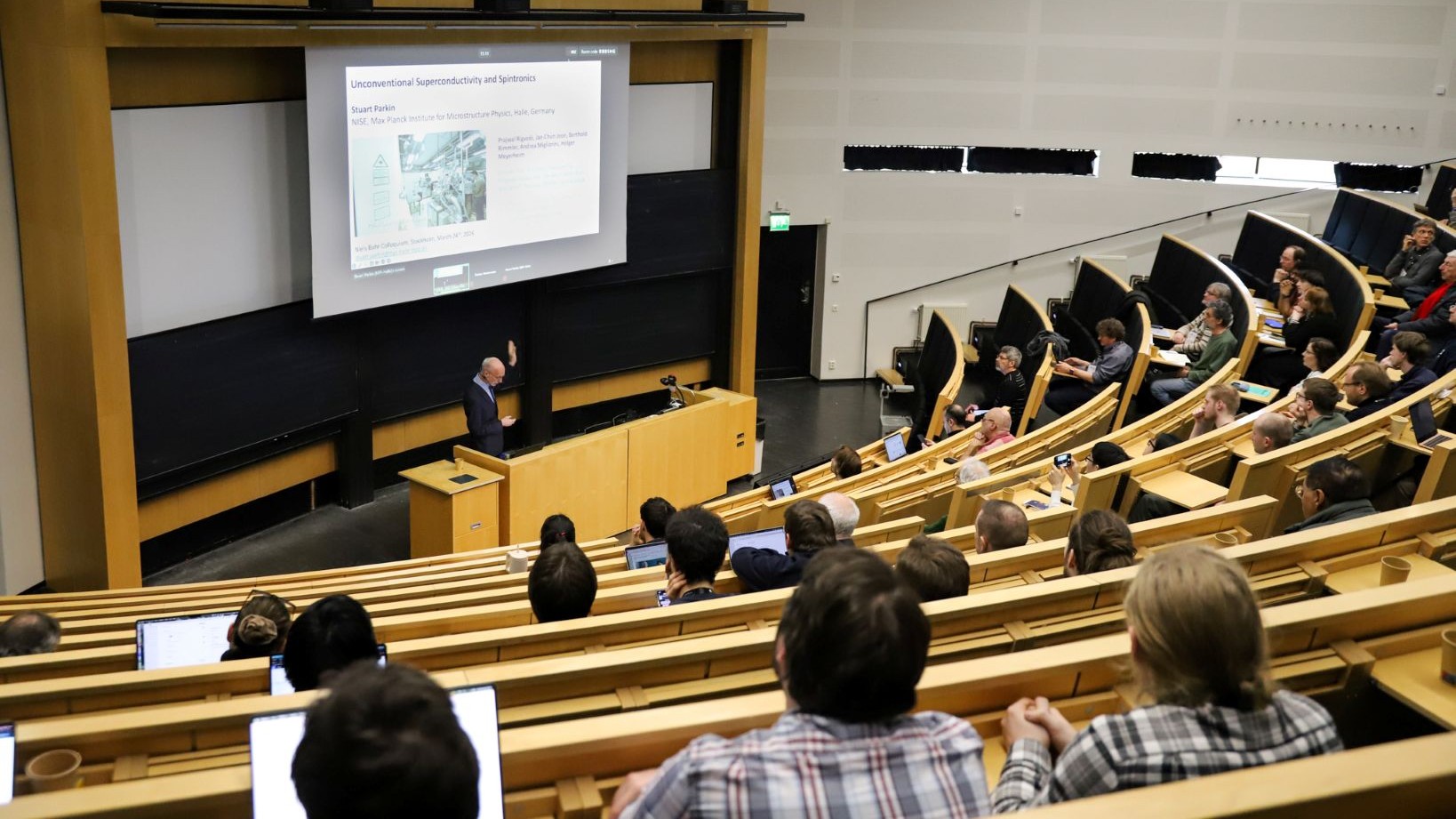
Niels Bohr Colloquium by Stuart Parkin (Max Planck Institute for Microstructure Physics).
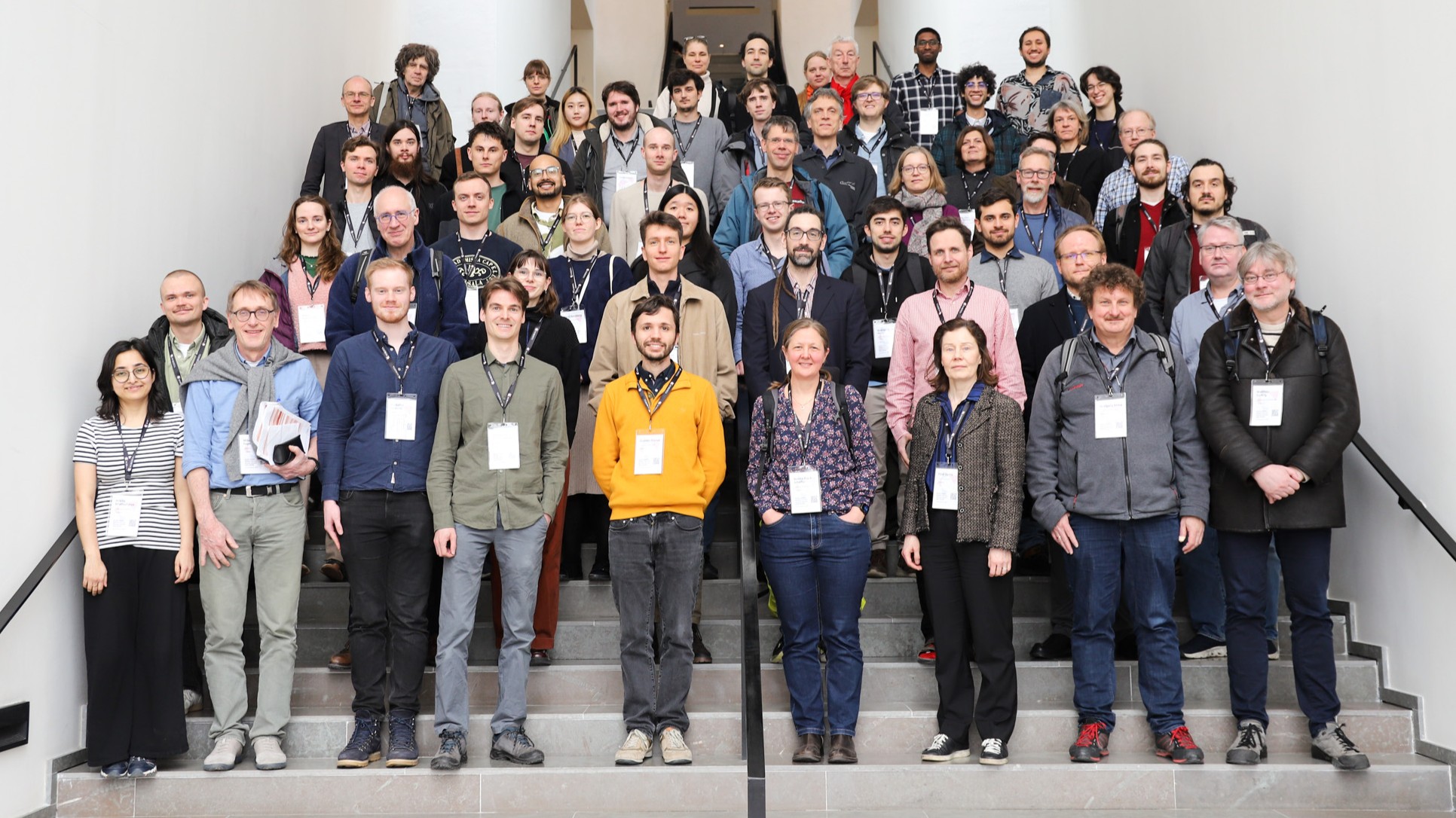
Participants of the Nordic-German Wilhelm and Else Heraeus Seminar at Nordita.
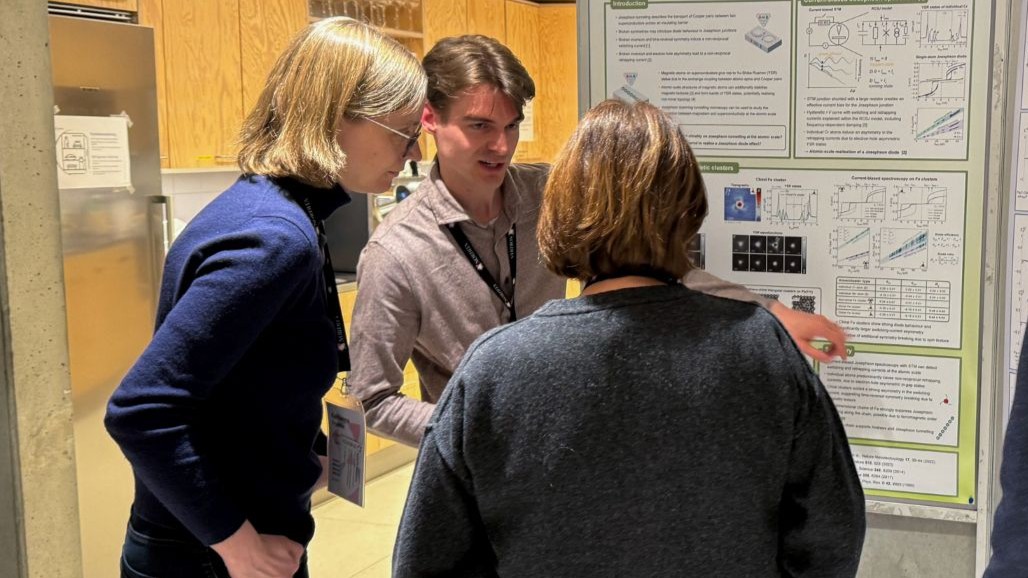
Discussion around one of the posters.
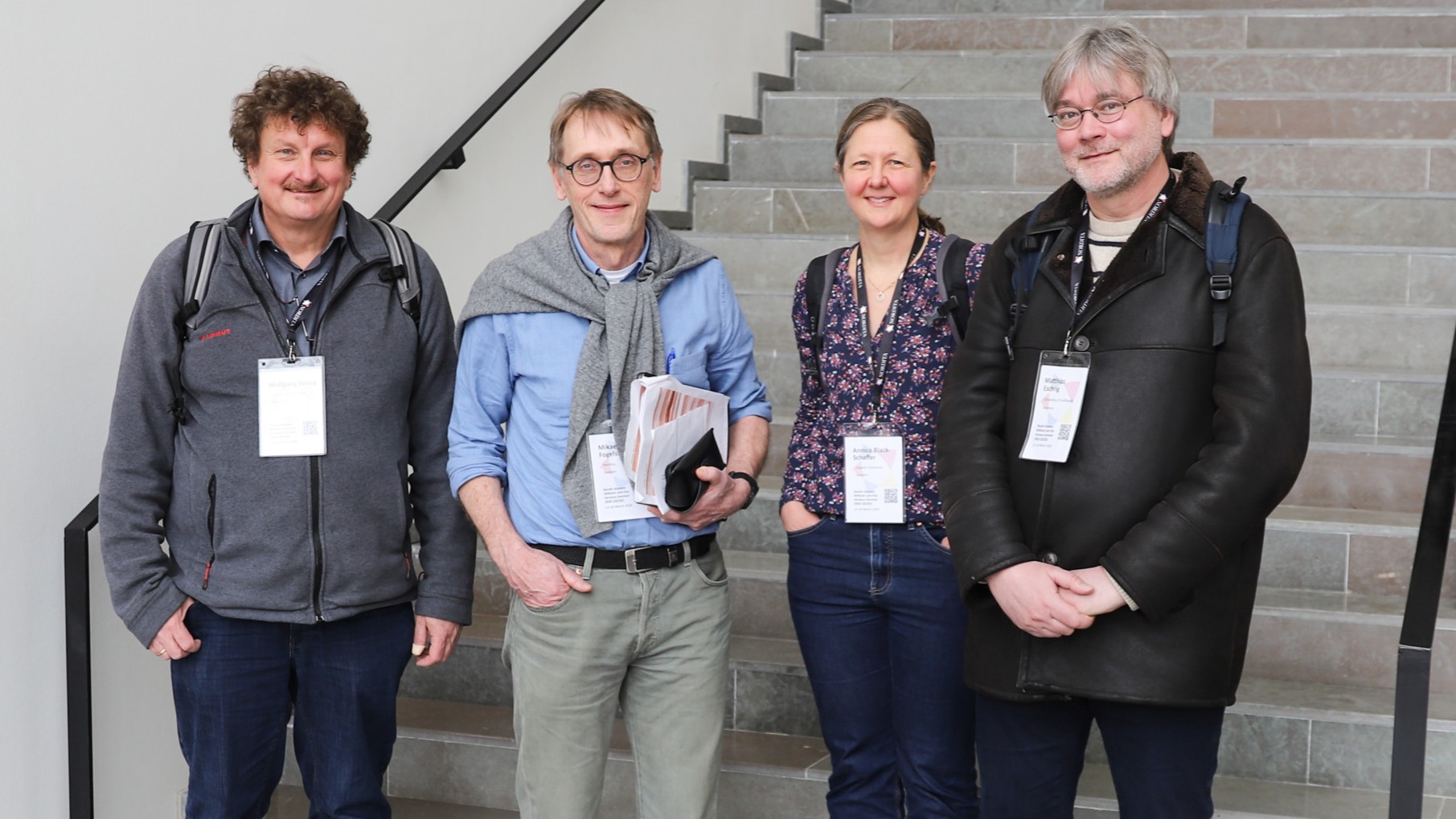
Workshop organizers: Wolfgang Belzig, Mikael Fogelström, Annica Black-Schaffer, and Matthias Eschrig.